




1st edition
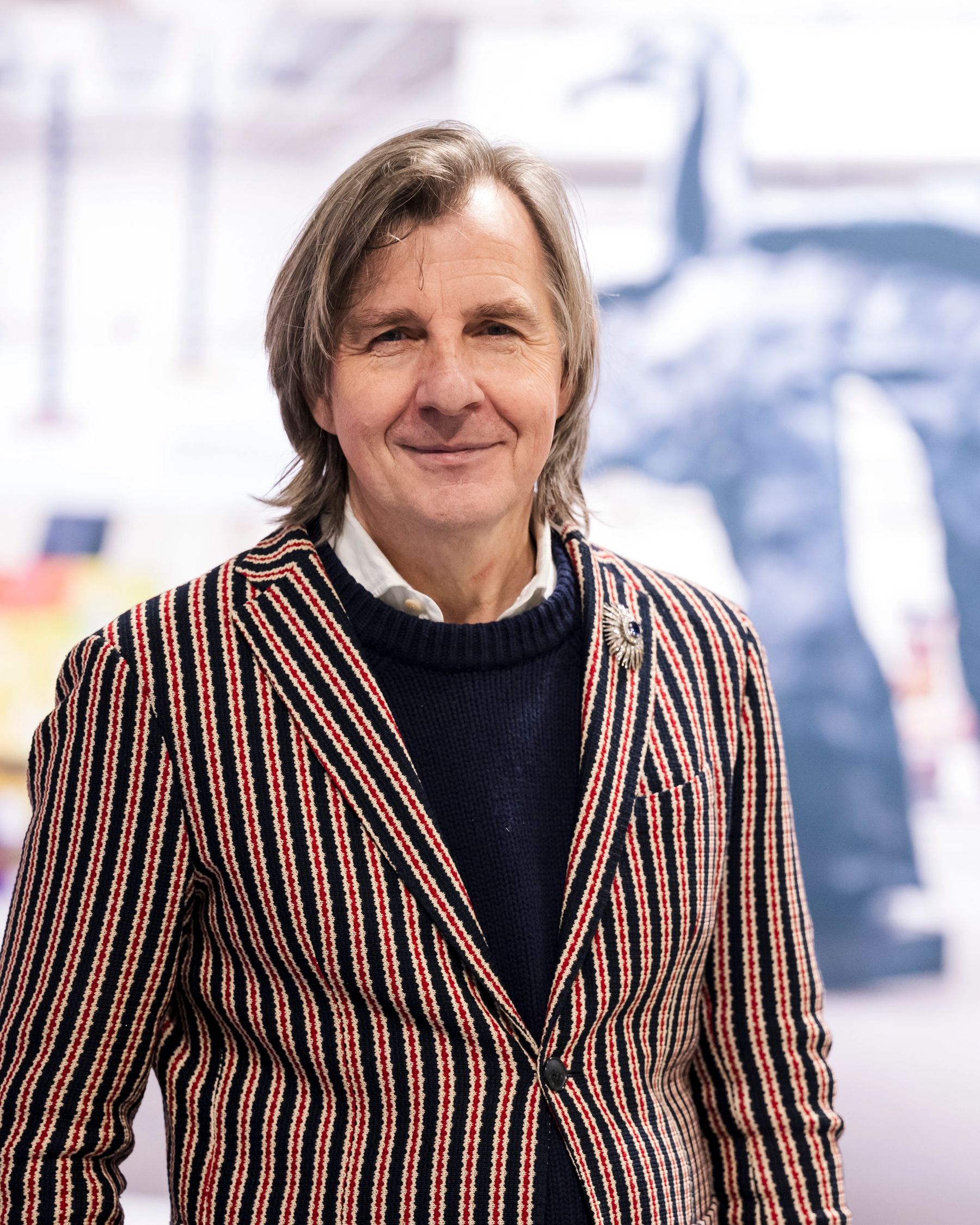
biography
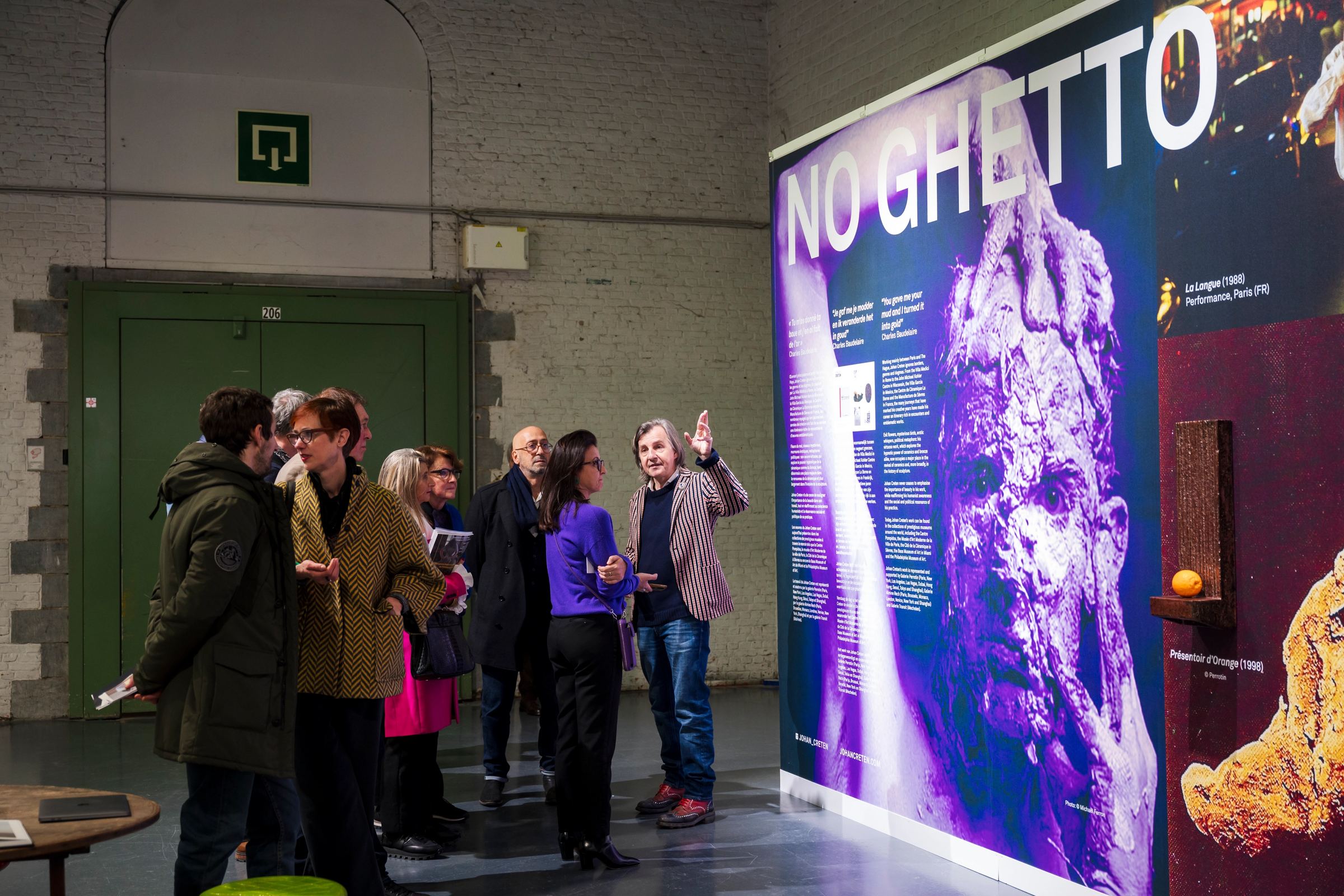
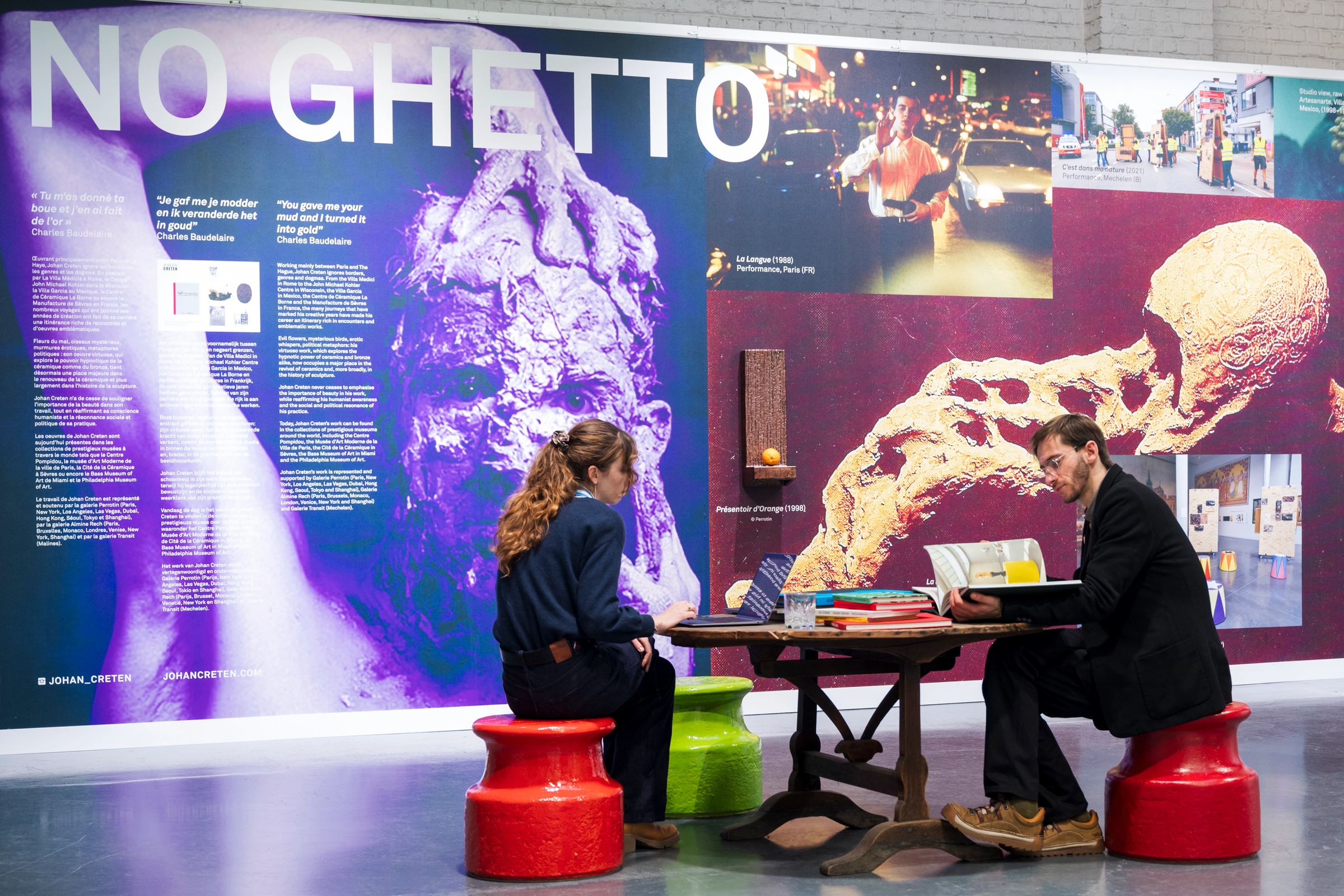
Johan Creten started to practice drawing and sculpture at an early age. Fascinated by art, literature, and music, he met a couple of passionate antiquarians in his hometown, who supported him during the first years of his life. In 1985, he graduated from the Royal Academy of Fine Arts in Ghent, where he discovered a clay studio, left behind by students. While training as a painter, Johan Creten found real potential in clay: he started to include ceramics elements in his paintings and familiarized himself with this new medium. He later studied at the School of Fine Arts in Paris. In the 80’s, art was surrounded by conceptual and minimalist artists. By choosing clay, Johan Creten made a bold move, striving to open up horizons in the contemporary art field for this rare technique.
Johan Creten was first represented by the Meyer Gallery in Paris, specialized in tribal art from Oceania. The gallery organized two of his exhibitions : “Johan Creten: Peintures et Sculptures” in 1987, and “Kunstkamer. Installation et Performance” in 1988. He has also been represented by the gallerist Robert Miller in New York, who dedicated two exhibitions to him: “Odore di Femmina” in 1988, and “Johan Creten : 3 Torsos” in 2001.
artistic practice
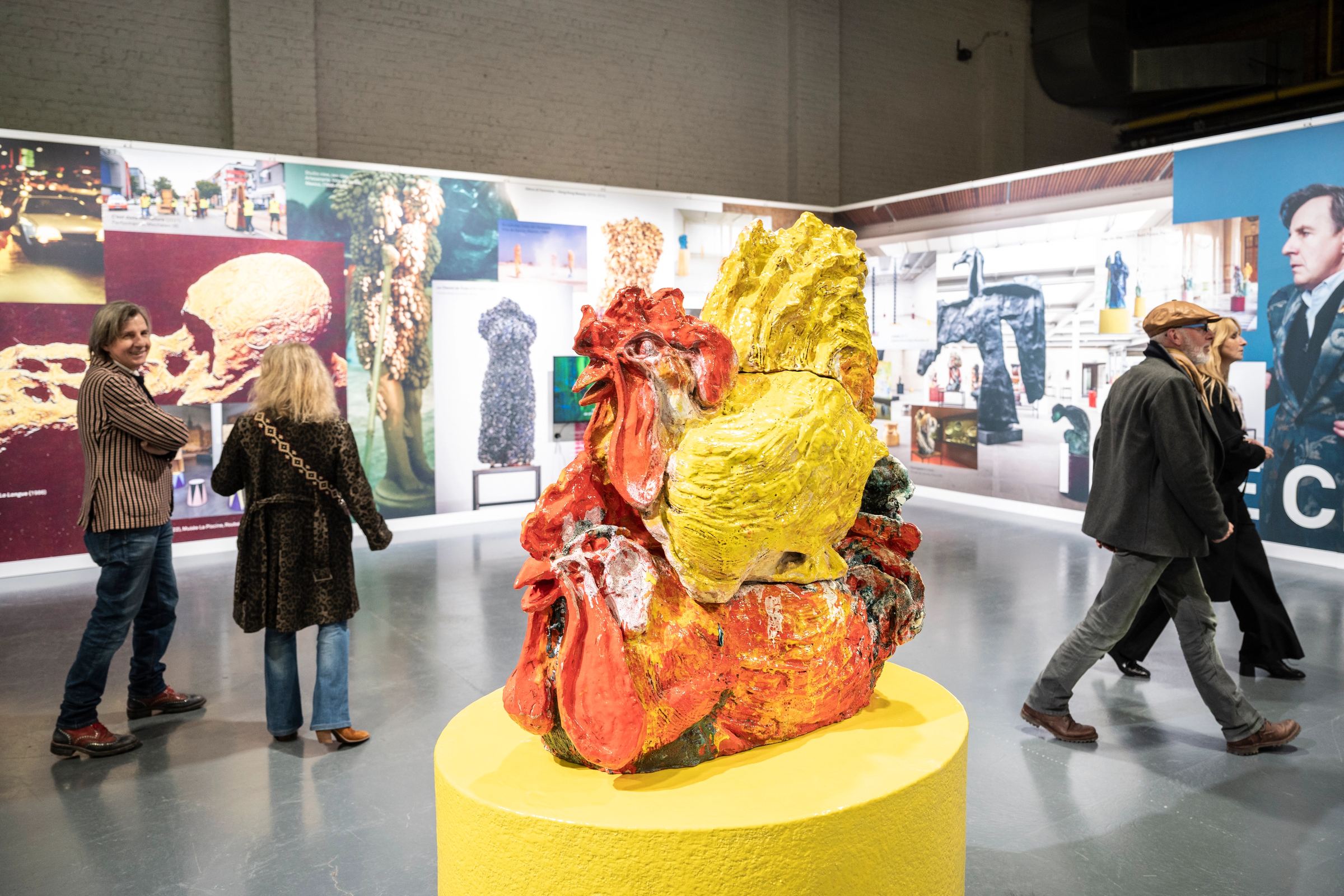
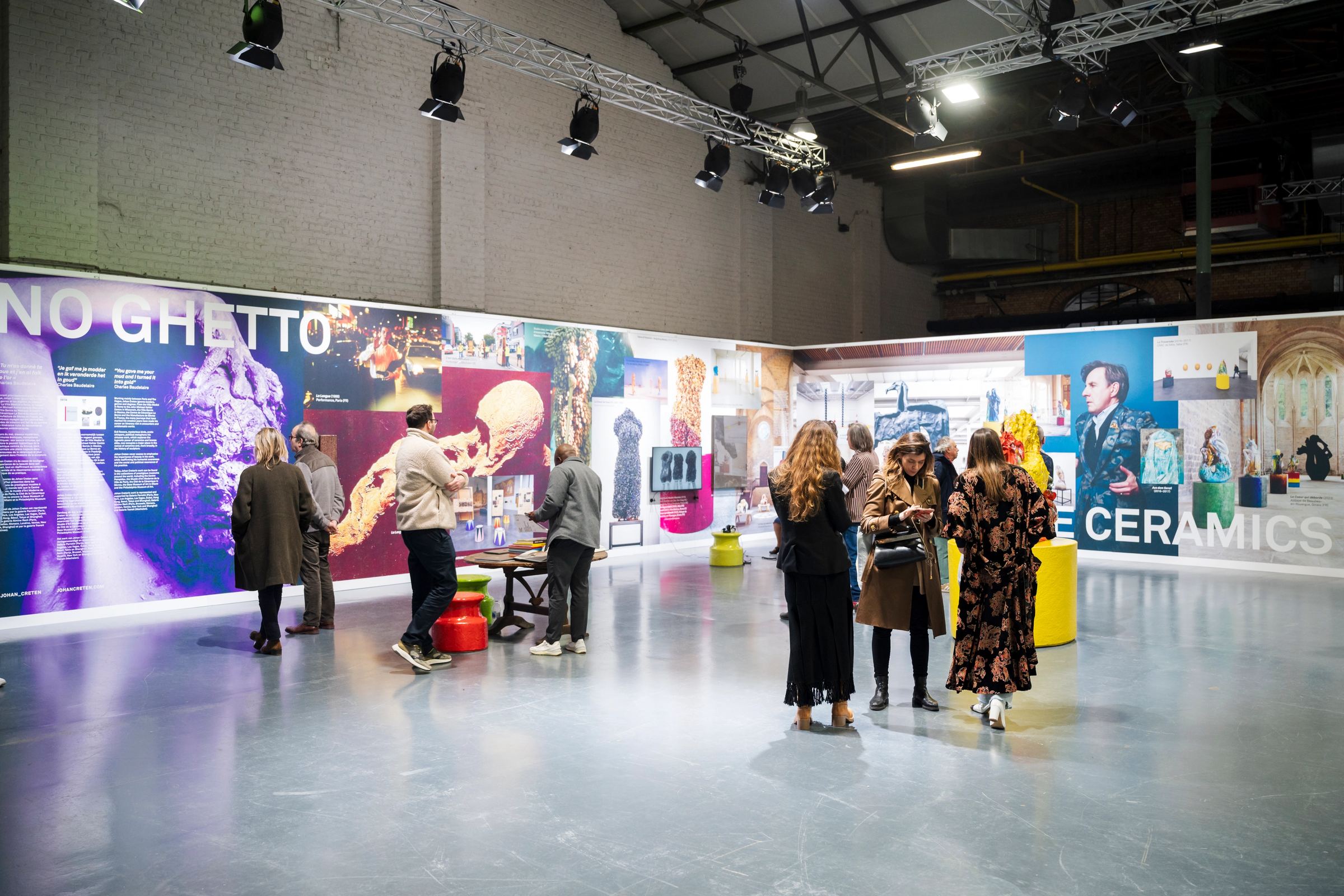
Johan Creten is considered one of the pioneers – with Thomas Schütte and Lucio Fontana – of introducing ceramics in contemporary art. Fascinated by its beauty, its symbolic impact, and the richness of its history, the artist explores the medium through multiple techniques and scales. His painting training brings further dimension to his sculpture work, giving the glaze and its colors a primary role in the artworks. Deeply influenced by the environment, Johan Creten’s work ranges widely, from delicate clay sculptures to large-scale bronzes – a medium he has introduced in his work more recently. Johan Creten creates his own fantasy world through phantasmagoric and organic creatures and forms, resulting in an œuvre that reveals the artist's personal commitments and raises existential questions, for instance, about the ambiguity of sexuality in the human race, or the unpredictable strength of nature, among others.