


Caroline Andrin ,
La Cambre
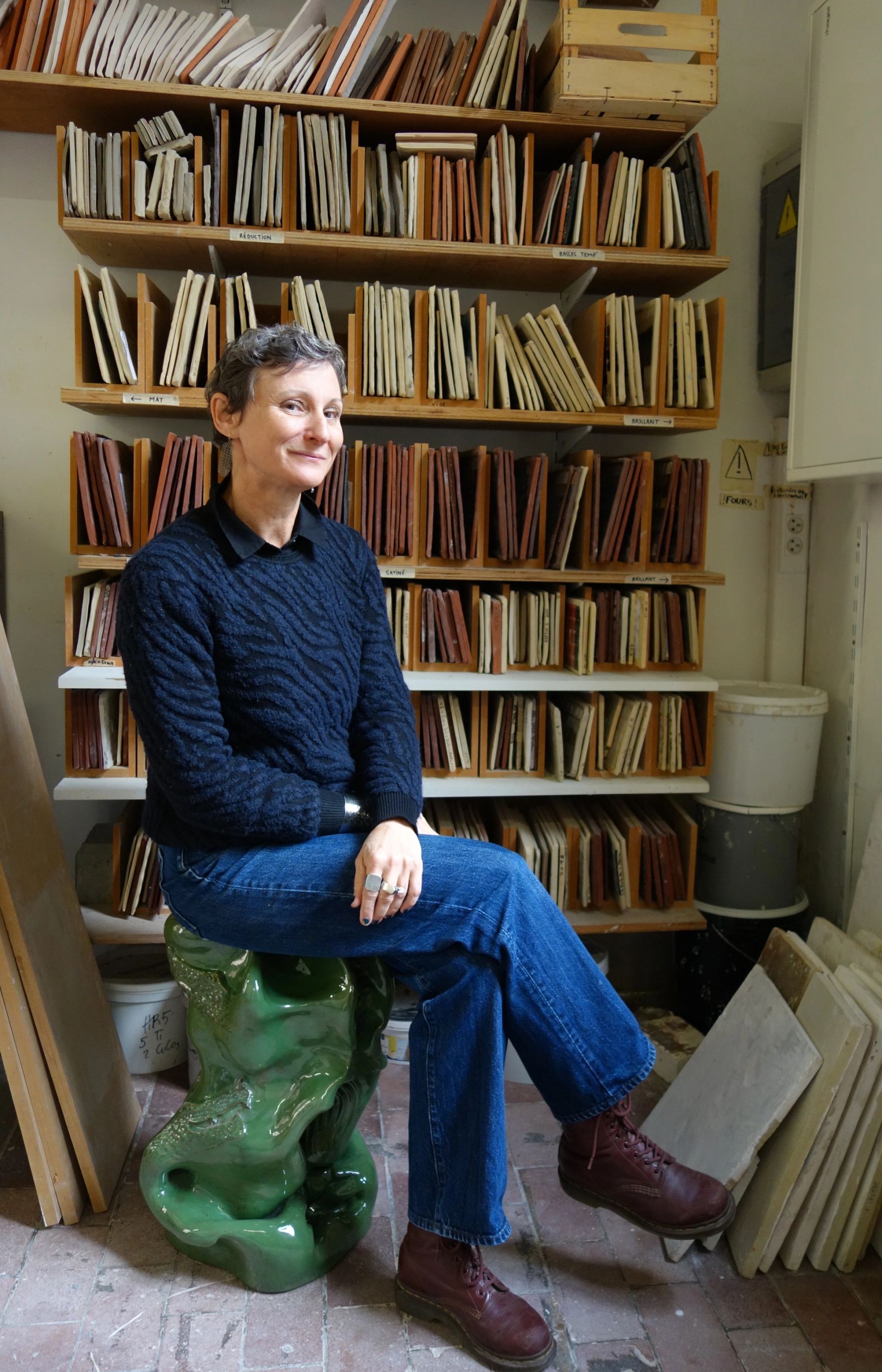
For the third episode of our “Partner Perspectives” series, we sit down with Caroline Andrin, professor in charge of the ceramics studio at ENSAV La Cambre. She tells us about the Letterrestres project the school will present at the fair, and about the trends she sees emerging in contemporary ceramics.
La Cambre is celebrating its 100th anniversary: on this occasion, you will be present at the fair with the project “Letterrestres”. Why this project?
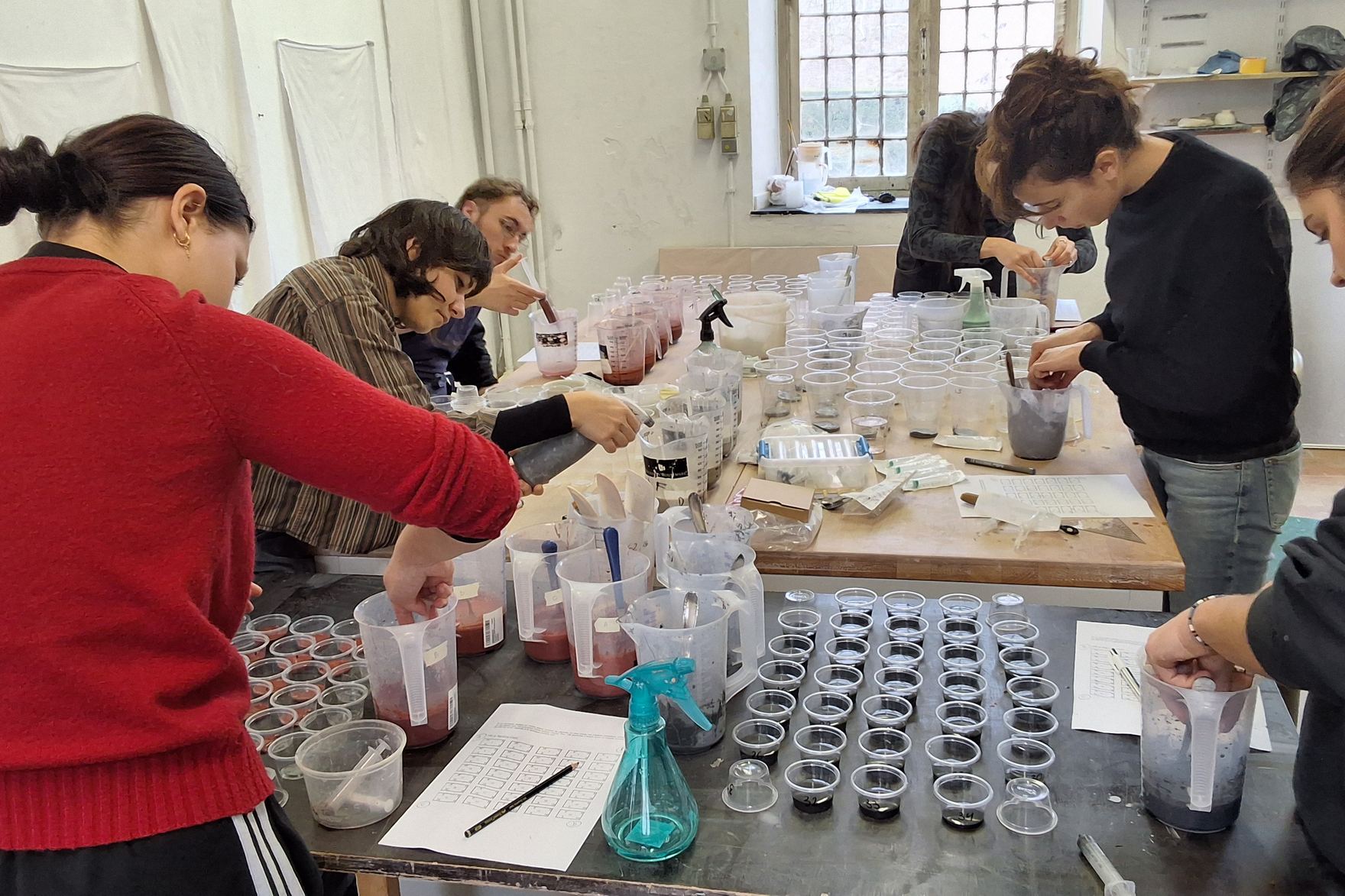
The Letterrestres project is a transdisciplinary proposal that brings together the ceramics studio and the typography studio (Pierre Huyghebaert and Eugénie Bidaut) with the school’s historic printing house (represented by McCloud Zicmuse) and the technical workshops (Bastien Chevrier and Bérénice del Salvatore). The project is part of the school’s centenary celebrations.
Founded in 1927 by Henry van de Velde, who dreamed of a pedagogical laboratory, the school today has 700 students across 20 departments. Some twenty students from these different artistic studios are taking part in the collective project that will be shown at ceramic brussels.
The project consists of creating and reflecting together on new tools suited to future needs, bringing together, in an unprecedented way, historical processes and contemporary technologies at work in the school.
Letterrestres proposes to revisit movable type, starting from the technique devised by the inventor Bi Sheng around 1045 in China, four centuries before Gutenberg in the West. Using clay, he created the very first movable type. Today, we are collectively reflecting on how to make contemporary movable type in ceramic using local resources, in order to create a global artistic project.
What do you wish to show (or demonstrate) to the ceramic brussels audience?
Visitors will discover a trolley that is at once display furniture, archive centre and activation zone. Prints on paper will be made live from movable type made of Belgian clay, set on a handcrafted press. An act of dissemination and sharing.
We want to show an experimental, cross-disciplinary project that aims to raise public awareness of the origins of techniques and of the possibility, today, of creating flexible, local tools within a committed and responsible practice.
A more personal wish is also to demonstrate how small ceramic movable type could be a counterpoint to the excessive, ever more frantic and monumental production of ceramics, and of the art world in general.
“Letterrestres is an experimental, cross-disciplinary project. We want to show the public where techniques come from, and demonstrate that today it is possible to create flexible, local tools within a committed and responsible practice.”
Caroline Andrin, Professor in charge of the ceramics studio at ENSAV La Cambre
What does this collaboration bring to you and your students?
This collaboration builds bridges between disciplines and brings rich exchanges between students and teaching teams from different programmes, alongside visits to unique places such as the Argilières Hins and Lettre-kunde in Antwerp. For students, it is a chance to discover other media and deepen certain skills.
By breaking down the barriers between media, this collaboration encourages a global reflection on responsible, committed practices, and on the tools and resources we have and choose to use. Communicating, questioning, finding solutions and creating together: this is what drives and brings together the thirty or so people involved in this joyful experimental collaboration.
What trends do you see emerging in contemporary ceramics, in training and creation as well as on the market?
Current trends are many, which is certainly very encouraging. We see more and more plural works emerging, freed from purely technical concerns. Nevertheless, in this context of ceramic overproduction on the market, it is all the more important to take an interest in the history of the medium, to perpetuate specific know-how, and to reflect on the resources we use. These are trends and reflections at work in schools and among young artists.
Above all, ceramics is no longer an end in itself, nor limited to technical feats: it is one tool among others that allows people to express themselves, to question, to demand, to come together, to dream.
© La Cambre 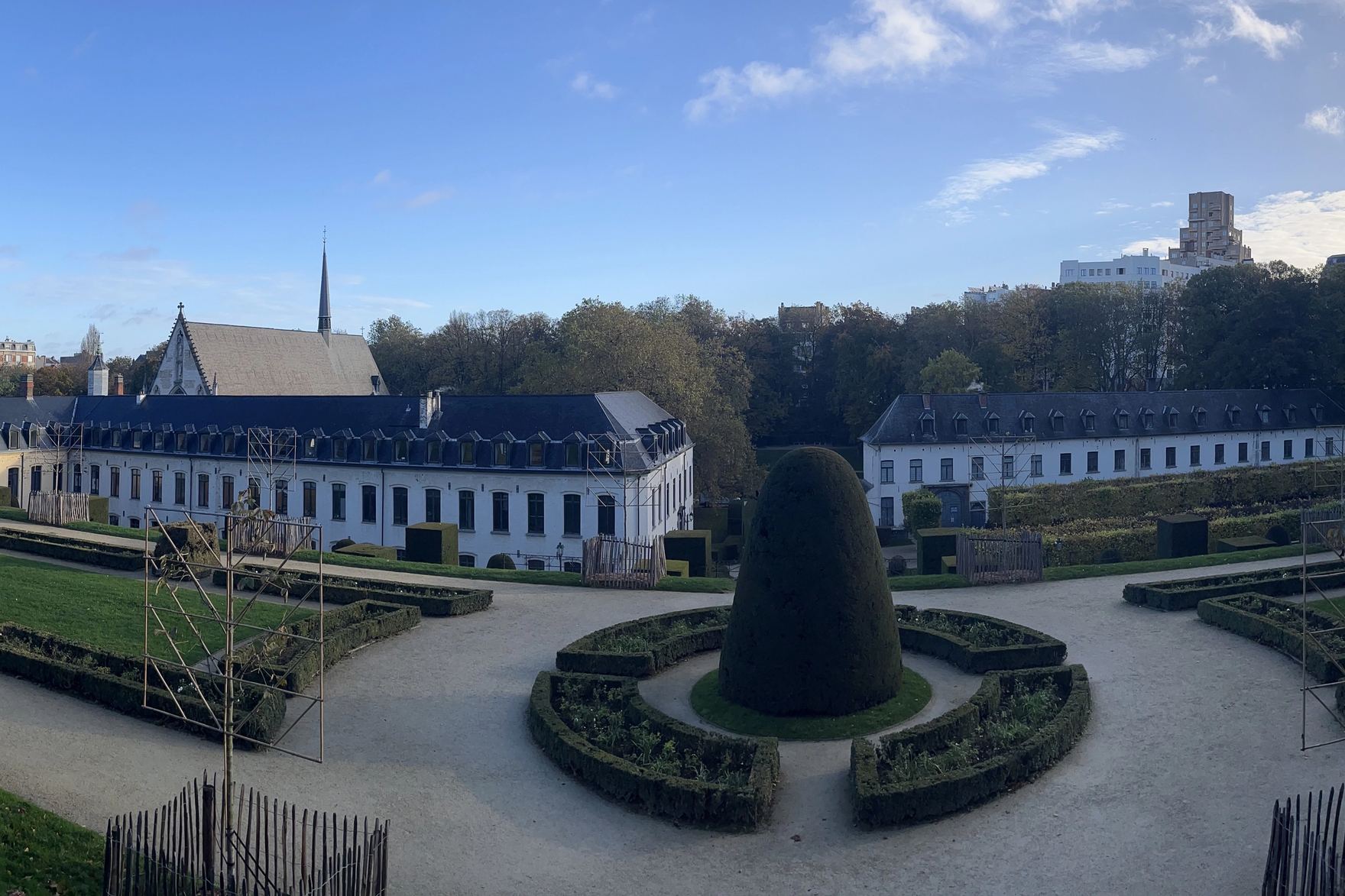
© La Cambre