





LA MUSÉE
 B17 ●
LA MUSÉE is an independent non-profit curatorial organisation operating across France, Belgium and Canada. It supports artists through residencies, exhibitions, the production of new works, research, and collaborations with museums and cultural institutions. Its programme prioritises long-term relationships with artists and develops projects conceived in dialogue with the institutional, social and geographical contexts in which they take place.
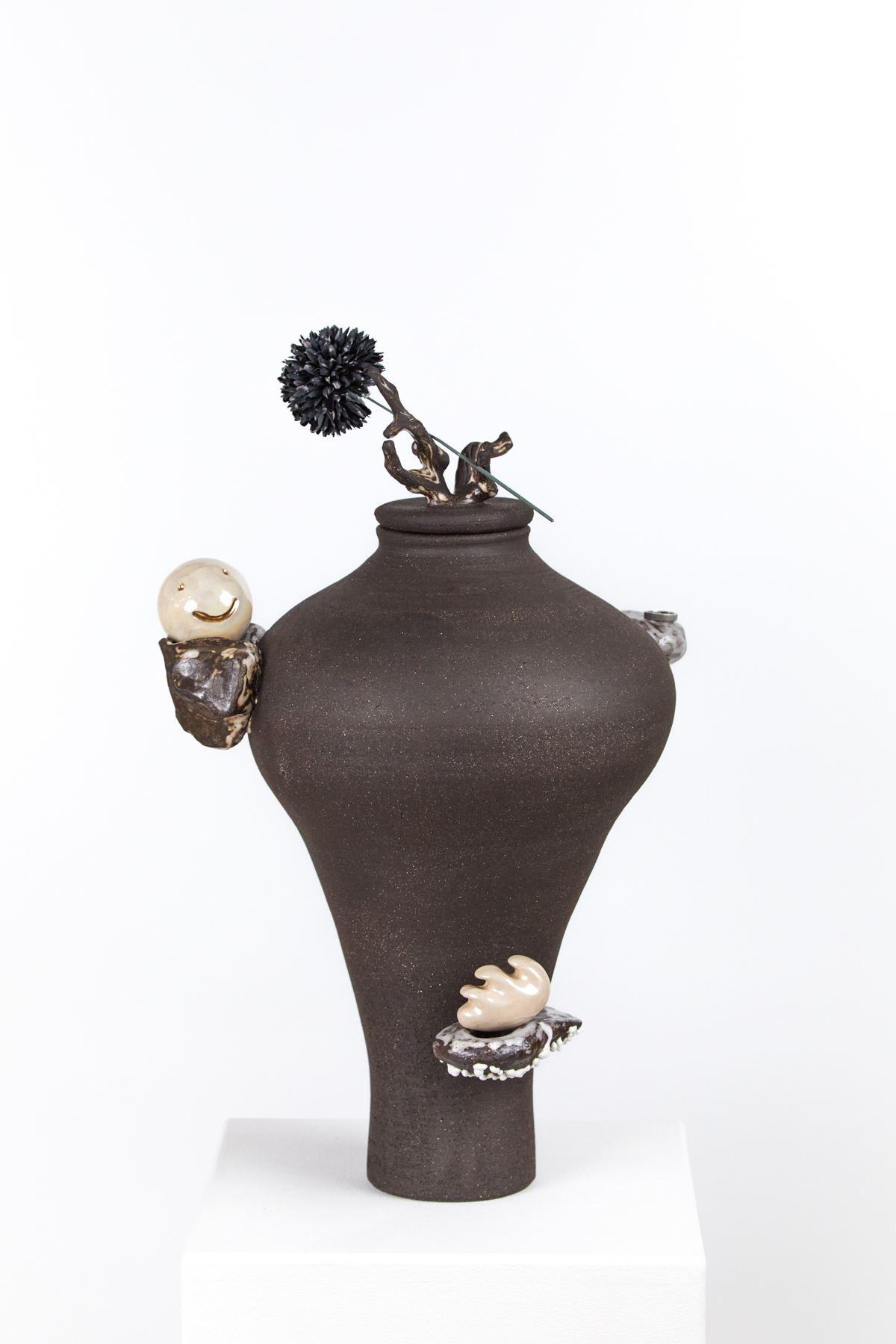
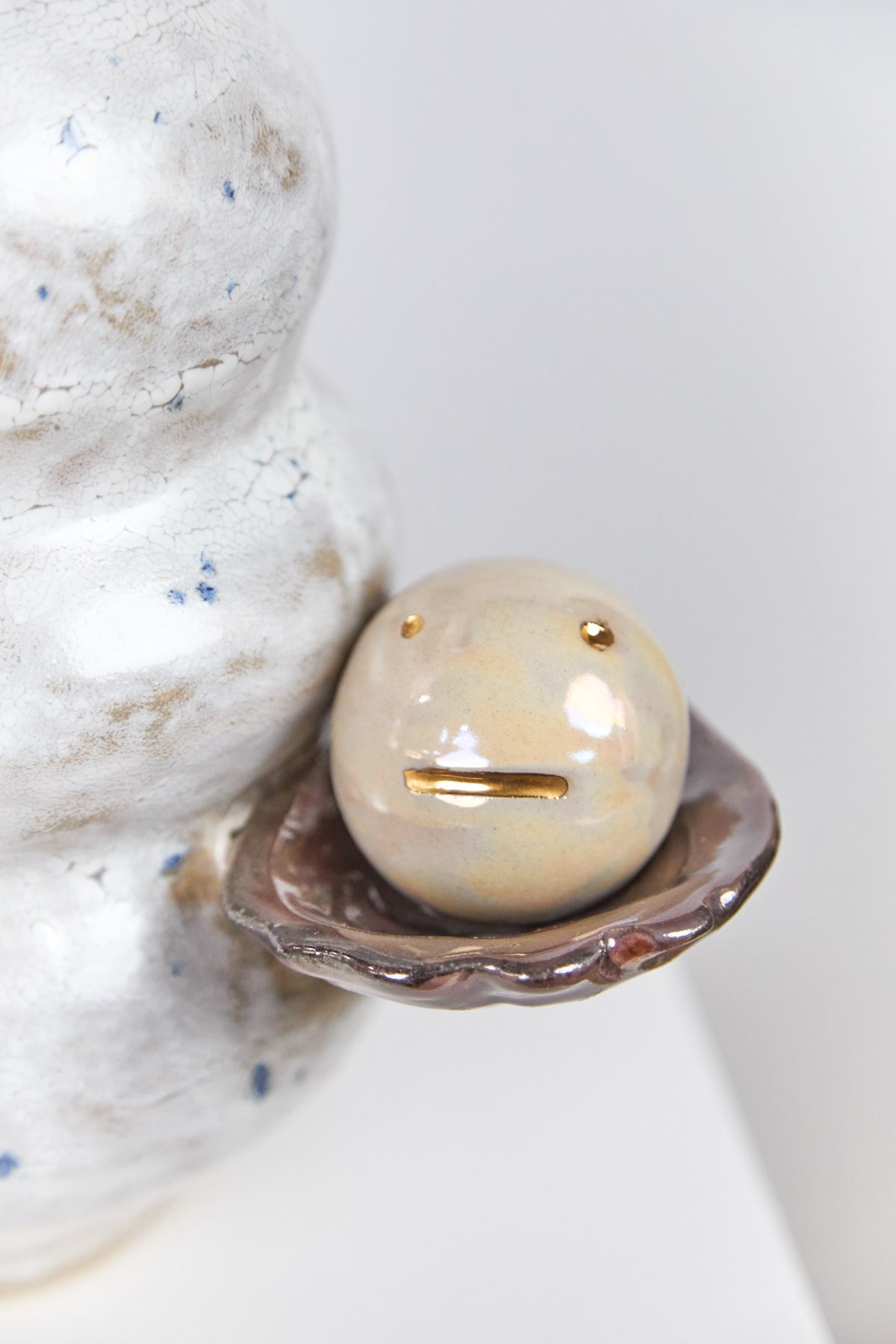
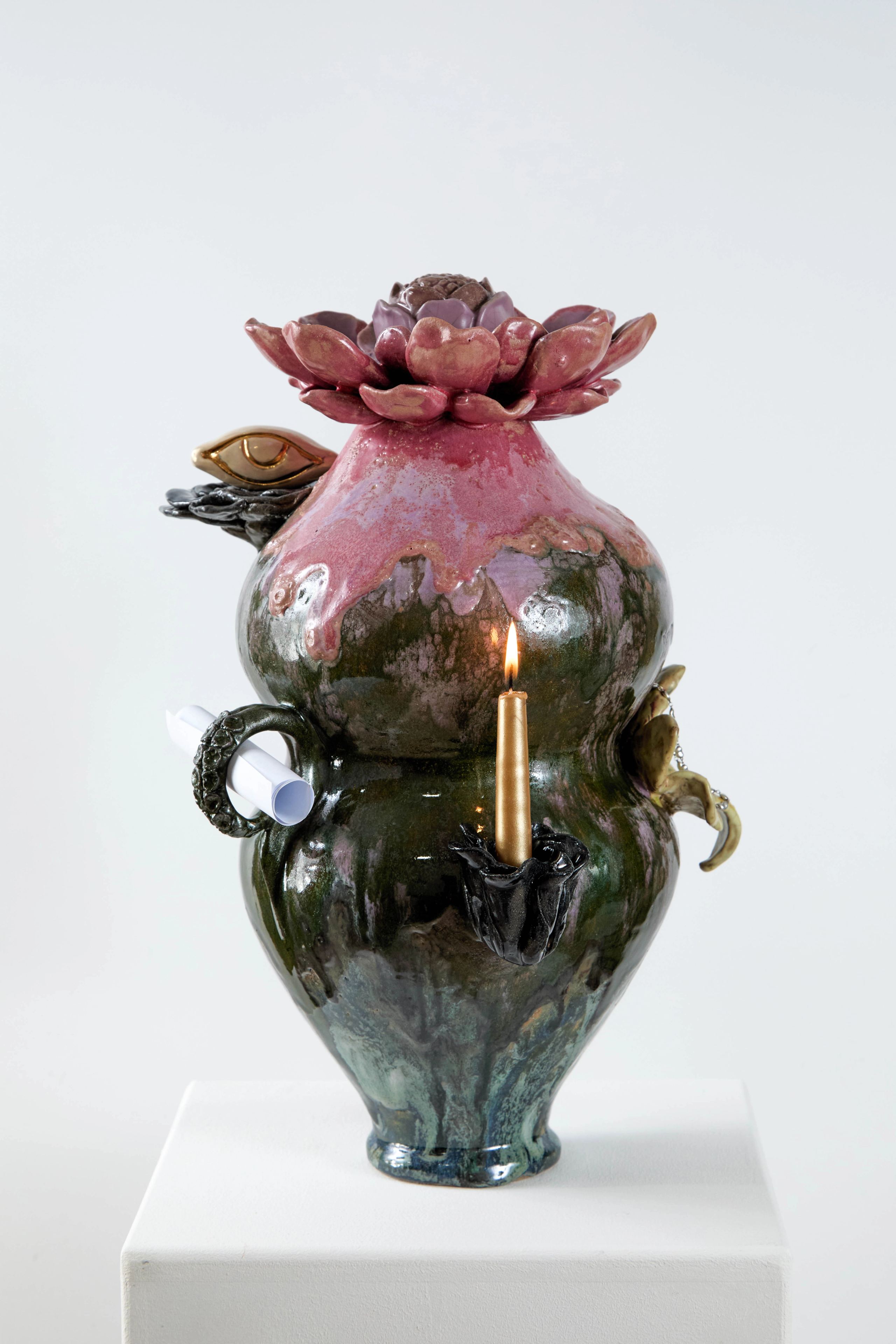
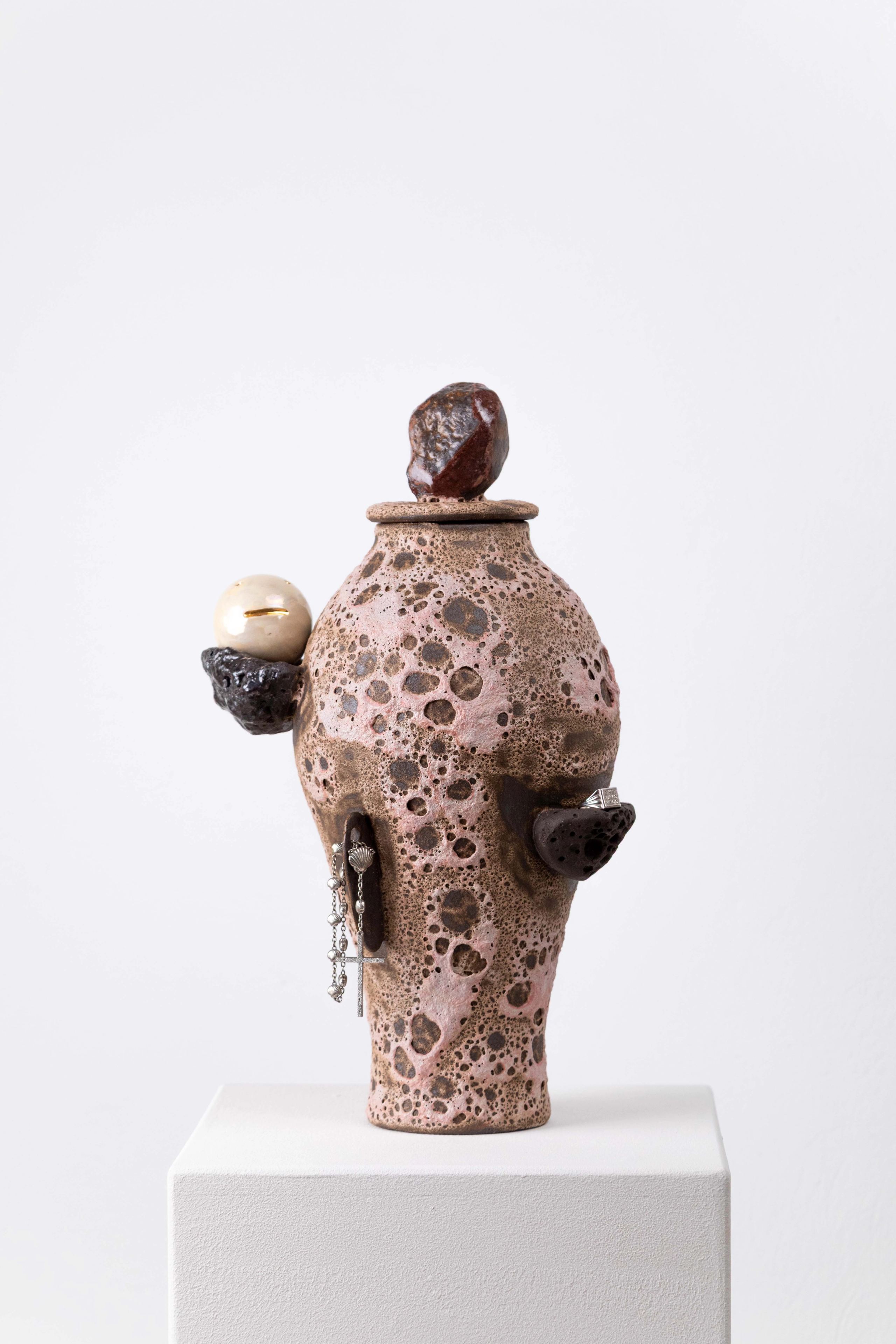
With Shekel & Anubis Agency, Arina Antonova continues her research into objects associated with mourning and the forms of connection that endure after loss. For ceramic brussels, the artist presents an installation built around a large pyramid composed of nine obsolete computer units, on which several ceramic urns are placed. The work brings together two forms of preservation—that of the body and that of data—and explores how objects, images, messages and digital traces extend our relationship with the dead today.
L’Ermitage stems from an investigation conducted by Katya Ev Anton into the sanitary facilities of the Belgian monarchy. The artist seeks to identify, (re)discover and acquire a toilet used by the King of the Belgians in order to present it as an artwork at ceramic brussels. The project brings a domestic, architectural and political object into the realm of sculpture, while engaging with the history of ceramic sanitaryware. Combining provenance research, the Belgian tradition of the absurd and an explicit reference to Duchamp, L’Ermitage humorously questions the value, use and symbolic status of objects associated with power.